
What Your Self-Care Routine Reveals About Your Personality
Self-care is often seen as a simple act of pampering or relaxation, but it actually reflects much more about who you are. The way you take care of yourself can reveal your personality traits, how you handle stress, and what you truly need to feel balanced. Understanding your self-care habits offers insight into your inner world and helps you align your routine with what genuinely supports your well-being.

Structured Rituals Show a Need for Stability
If your self-care routine involves specific rituals — lighting a candle, playing a particular playlist, following a set order of steps — you likely find comfort in structure. This approach is less about luxury and more about creating predictability in a life that might feel unpredictable or chaotic. Rituals provide a sense of control and safety.
For example, someone who always starts their evening with a warm bath, followed by journaling and herbal tea, is using these repeated actions to ground themselves. This personality often values routine and finds peace in knowing what comes next. It’s a way to slow down and create a calm environment amid external uncertainty.
Productivity as Self-Care Reflects a Desire for Control
Some people recharge by tackling tasks that bring order to their surroundings or minds. Organizing a drawer, meal-prepping for the week, or finally answering that lingering email can feel like self-care because it clears mental clutter. For these individuals, rest is not about doing nothing but about creating space for calm.
This style of self-care reveals a personality that thrives on control and accomplishment. It’s about reducing chaos and feeling capable. For instance, finishing a small project at home can provide a sense of achievement that helps ease anxiety and restore energy.
Social Self-Care Highlights the Need for Connection
If your self-care looks like catching up with friends, going out for dinner, or texting your group chat, you recharge through connection rather than solitude. This approach shows that you value relationships and find emotional support in others.
Social self-care is often misunderstood as less valid than quiet, solo activities, but it’s equally important. People who prefer this style tend to be energized by interaction and feel more balanced when they nurture their social bonds. For example, a phone call with a close friend after a stressful day can be more rejuvenating than a long bath.
Escapist Self-Care Signals a Need for Mental Breaks
When your self-care involves watching a favorite show, reading a book, or taking a long drive with music turned up, you’re giving yourself permission to switch off completely. This isn’t avoidance but a way to reset your nervous system and take a mental break.
This personality type often needs clear boundaries between work and rest to avoid burnout. Escapist self-care provides a safe space to decompress and recharge. For example, binge-watching a comforting series after a tough week can help you detach from stress and regain emotional balance.
Flexible Self-Care Shows High Self-Awareness
If your self-care routine changes week to week, it might be the healthiest approach of all. This flexibility means you’re tuning in to your needs rather than following a fixed routine because it looks good or feels expected.
People with this style listen to their bodies and minds, adjusting their self-care based on what feels right at the moment. One week might call for socializing, the next for quiet reflection. This adaptability reflects emotional intelligence and a deep understanding of personal well-being.
Practical Tips to Align Your Self-Care with Your Personality
For ritual lovers: Create simple, repeatable routines that bring comfort without overwhelming your schedule. Try a morning stretch followed by a favorite tea.
For productivity-focused: Set small, achievable goals that help clear your space or mind. Celebrate these wins as part of your rest.
For social self-care: Schedule regular catch-ups or group activities that feel meaningful, not obligatory.
For escapists: Allow yourself guilt-free breaks with books, music, or drives. Use these moments to fully disconnect.
For flexible self-care: Keep a journal to track what activities leave you feeling refreshed. Adjust your routine based on those insights.
The Real Goal of Self-Care
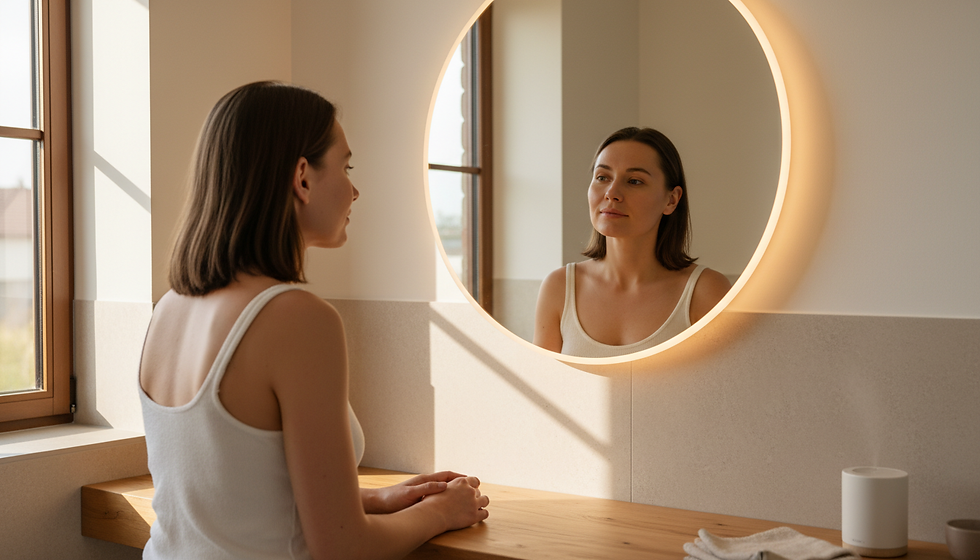
The point of self-care is not the candle, the playlist, or the bubble bath itself. It’s about whether the activity leaves you feeling more like yourself. Your self-care routine is a mirror reflecting your personality and your needs. By paying attention to how you care for yourself, you can create habits that truly support your well-being and help you navigate life with more ease.
Take a moment to observe your current self-care habits. What do they say about you? What might you try next to better align with your personality? Your self-care routine is a personal journey, and the best one is the one that fits you perfectly.

Comments